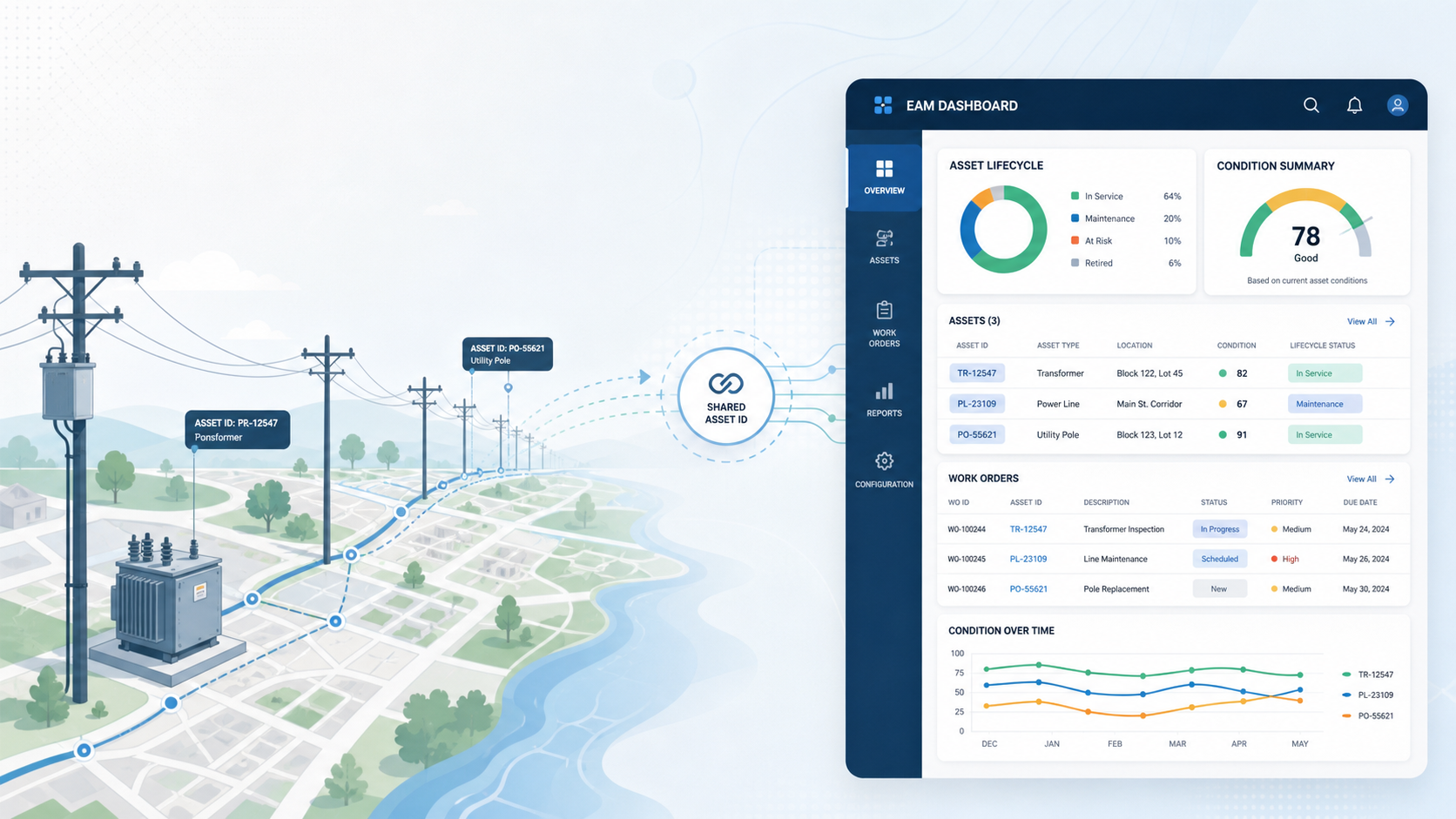
Illustration of GIS and EAM integration for utility asset management.

GIS + EAM: Turning As-Built Edits into Asset Strategy

GIS + EAM: Turning As-Built Edits into Asset Strategy The GIS–EAM integration gap Many utilities have both GIS and EAM, but they still behave like neighboring countries: one for maps, one for work. GIS usually knows where the asset is, how it is connected, and what the network looks like. EAM usually knows what the asset is in lifecycle terms, what work has been done to it, and what is supposed to happen next. On paper, that is complementary. In practice, the two systems are often tied together by partial syncs, manual re-entry, and workflows that depend more on tribal knowledge than design. ...

June 9, 2026 · 8 min · 1604 words · Joe Marsh
Generator of Yaotsu Old Power Plant

Feeding the Studies: Integrating GIS with Engineering Analysis and Planning Tools

Studies are only as good as the model they receive Every major grid decision now starts with a study: can the system handle new load, more DER, wildfire risk, or a major capital project? Those studies are only as good as the network model they are fed. In many utilities, that model is still built by hand in engineering tools from one-off GIS exports. The process is fragile, slow, and dependent on a few people who know how to clean things up each time. Engineers learn to distrust GIS data, and they spend their time repairing the model instead of answering the business question. ...

June 2, 2026 · 6 min · 1232 words · Joe Marsh
Hooknose Peak

Tracing Once, Using Everywhere: Propagated Values for OMS and ADMS

Tracing Once, Using Everywhere: Propagated Values for OMS and ADMS ArcGIS Utility Network tracing already gives us the path through the network, but OMS and ADMS usually need more than a list of traversed features. Export Subnetwork can produce JSON that external systems consume, and propagation lets that export carry network‑derived answers instead of forcing those systems to recalculate everything downstream. ArcGIS Pro 3.7 and the 2026 Network Management Release finally closed a gap I’ve seen in a lot of OMS/ADMS projects. For years I’ve watched teams bolt on custom extractors, ETL, and middleware just to answer questions the Utility Network is already capable of answering: ...

May 23, 2026 · 8 min · 1519 words · Joe Marsh
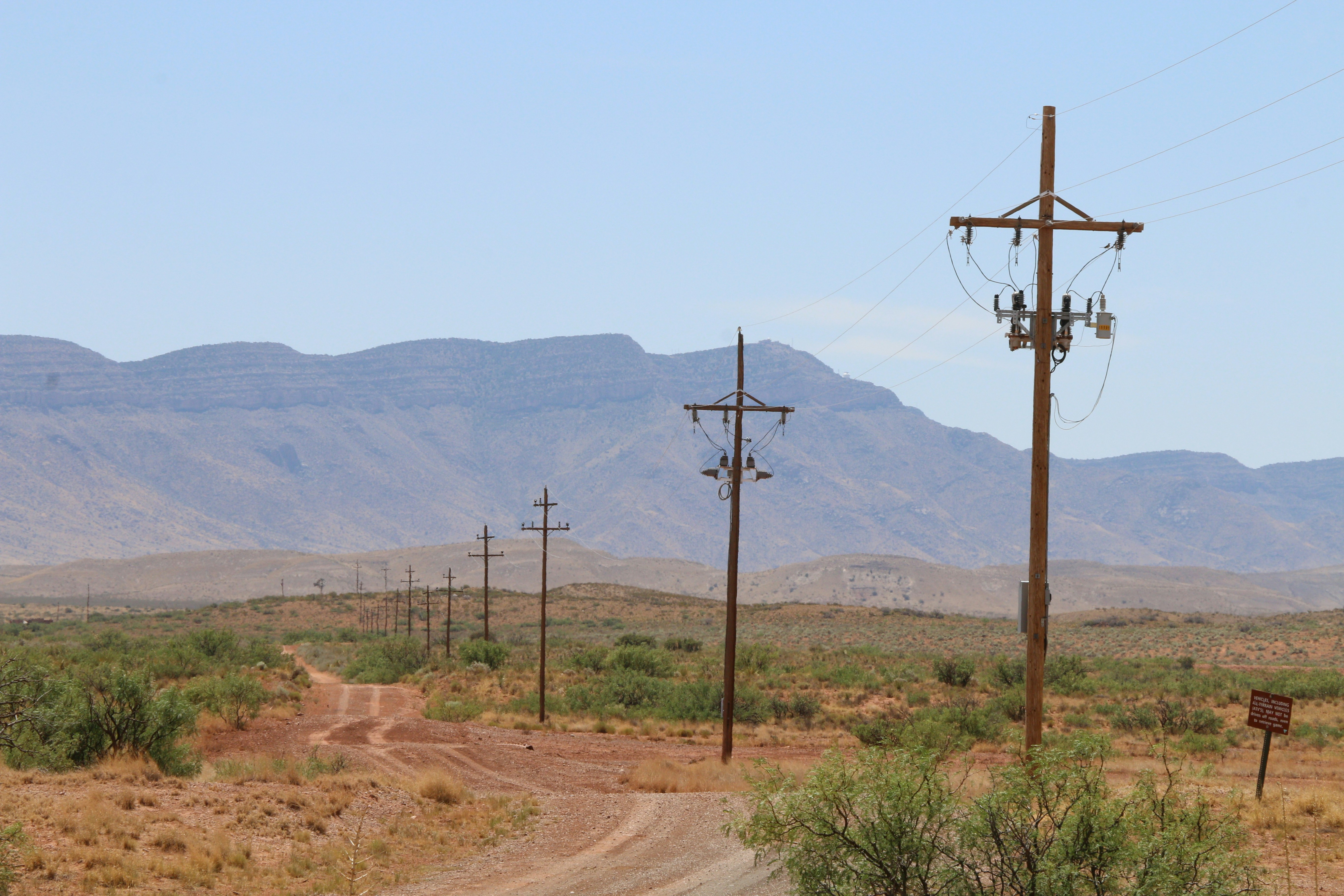
Utility pole in desert

ADMS Readiness, For Real: What the GIS→ADMS Integration Needs to Prove Before Go-Live

Why “ADMS integration” isn’t the same as readiness A lot of ADMS projects get “integrated” on paper long before they’re actually ready for operations. Connectivity is loading, the map draws, devices look roughly correct, and everyone is tempted to declare victory. Then the first serious outage or switching plan shows up and you discover that traces fall apart, phases are wrong, and operators don’t trust what they see on the screen. ...

May 12, 2026 · 6 min · 1174 words · Joe Marsh
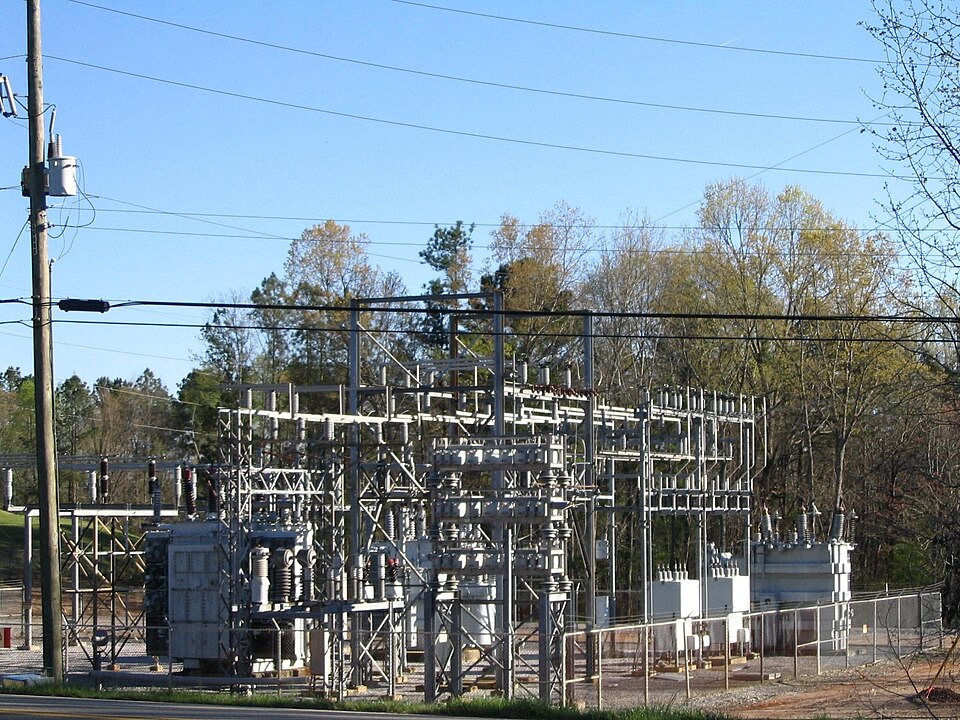
Outdoor power substation

From Tickets to Topology: Designing OMS Integrations Around the Network Model

OMS is only as good as its model At Hometown Electric and Light in Hometown, USA, one of the worst recent outages on paper didn’t look that bad. A single feeder issue on a calm day. The OMS confidently drew an outage polygon, identified a likely fault location, and generated work. Crews rolled, calls came in, and everyone expected a quick restore. What actually happened was a mess. The predicted fault location was off by a lateral, customers at the edge of the event never showed up in the OMS view, and dispatch ended up relying on a mix of calls, SCADA, and handwritten notes to figure out what was really out. Nothing was wrong with the OMS engine itself. The problem was that the network model it trusted did not match what was actually built and operated in the field. ...

May 5, 2026 · 7 min · 1392 words · Joe Marsh