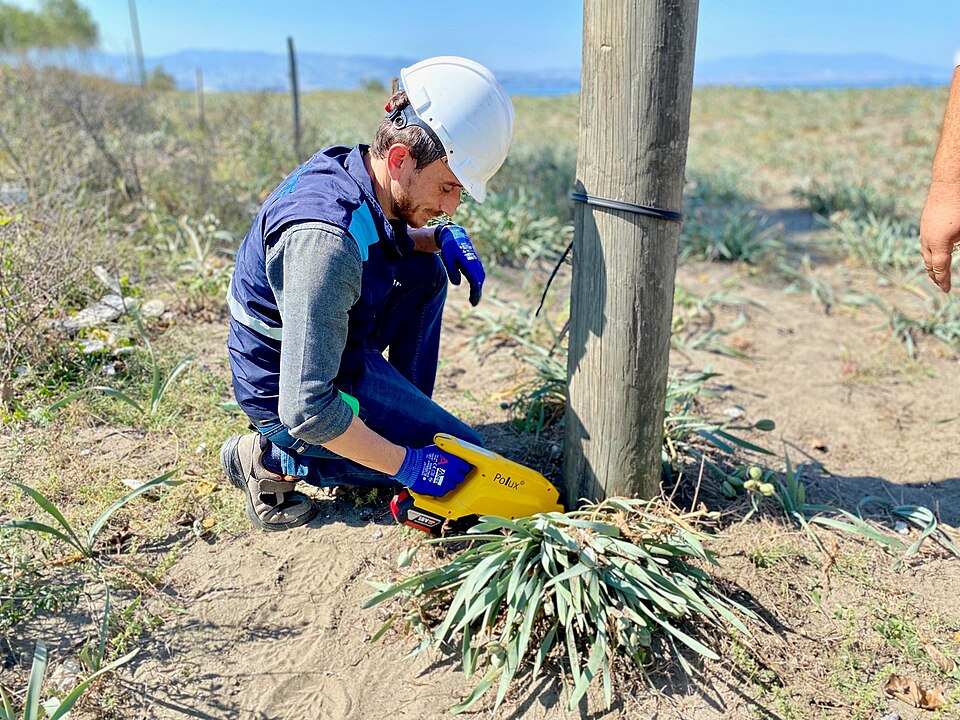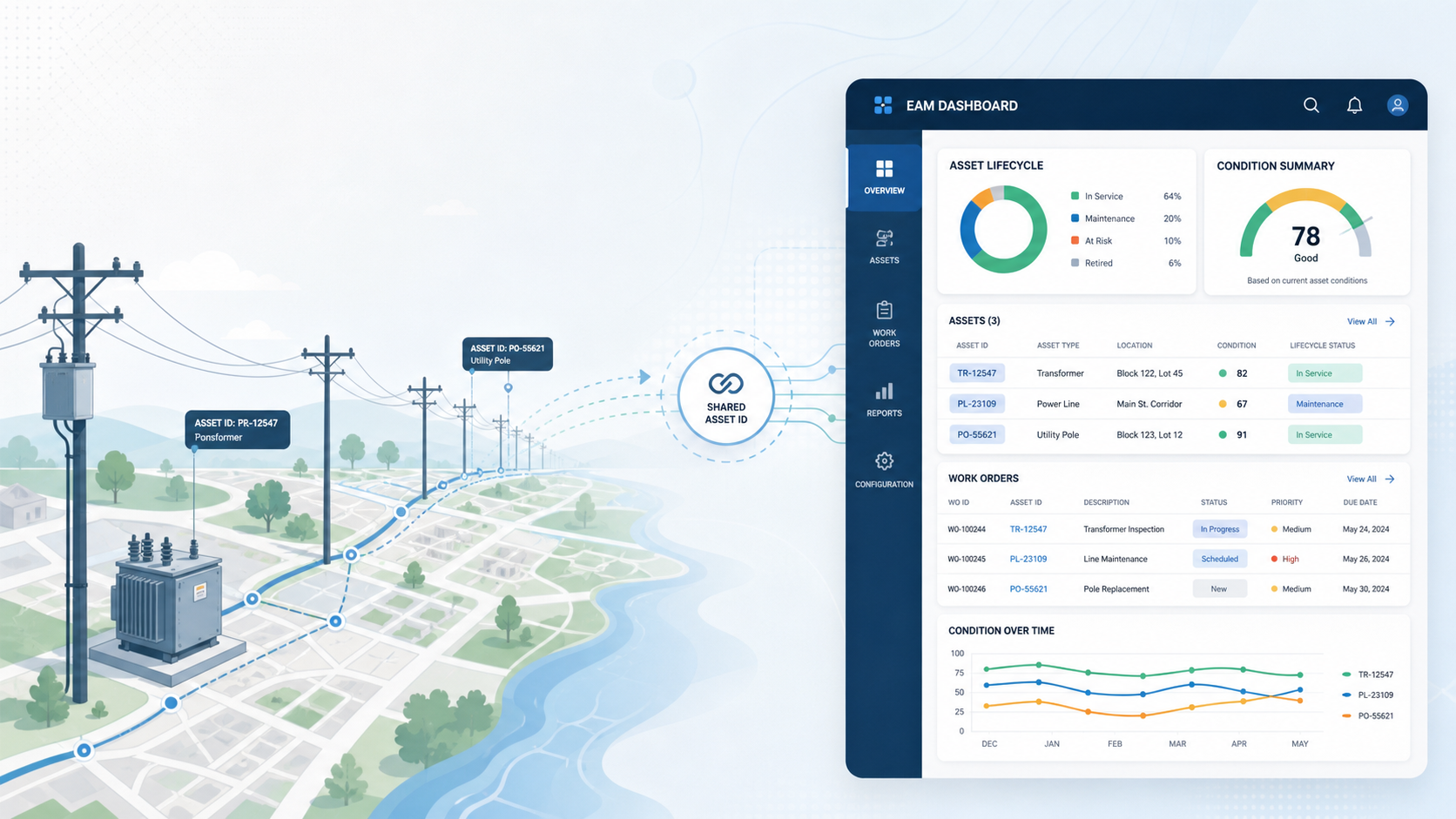
Illustration of GIS and EAM integration for utility asset management.

GIS + EAM: Turning As-Built Edits into Asset Strategy

GIS + EAM: Turning As-Built Edits into Asset Strategy The GIS–EAM integration gap Many utilities have both GIS and EAM, but they still behave like neighboring countries: one for maps, one for work. GIS usually knows where the asset is, how it is connected, and what the network looks like. EAM usually knows what the asset is in lifecycle terms, what work has been done to it, and what is supposed to happen next. On paper, that is complementary. In practice, the two systems are often tied together by partial syncs, manual re-entry, and workflows that depend more on tribal knowledge than design. ...

June 9, 2026 · 8 min · 1604 words · Joe Marsh
Willow Ridge

ADMS vs DERMS vs GIS: Who Owns What in a High-DER Grid?

ADMS vs DERMS vs GIS: Who Owns What in a High-DER Grid? The alphabet soup problem In a high-DER grid, ADMS, DERMS, and GIS are all sometimes marketed as the system that will finally make the distribution network “smart.” That framing creates confusion, because these platforms are not interchangeable brains so much as distinct systems with different responsibilities, different time horizons, and different sources of truth. The more useful question is not which platform is the brain, but which system owns which data, which operational decisions, and which model of the network. Once that boundary is clear, the architecture gets simpler, the integrations get cleaner, and governance becomes much easier to sustain. ...

May 26, 2026 · 7 min · 1458 words · Joe Marsh
Boundary Dam

SCADA Meets the Map: Making GIS–SCADA Integration Useful in the Control Room

Why operators care about maps Most control rooms still live in SCADA point lists and one‑line diagrams. That works well when you know every device on your system by heart, but it’s not great for spatial questions like “what exactly is under this storm cell?” or “where are all the open points on this feeder?” A screen full of alarms and tag names doesn’t naturally show distance, access, or customer impact. ...

May 19, 2026 · 6 min · 1181 words · Joe Marsh
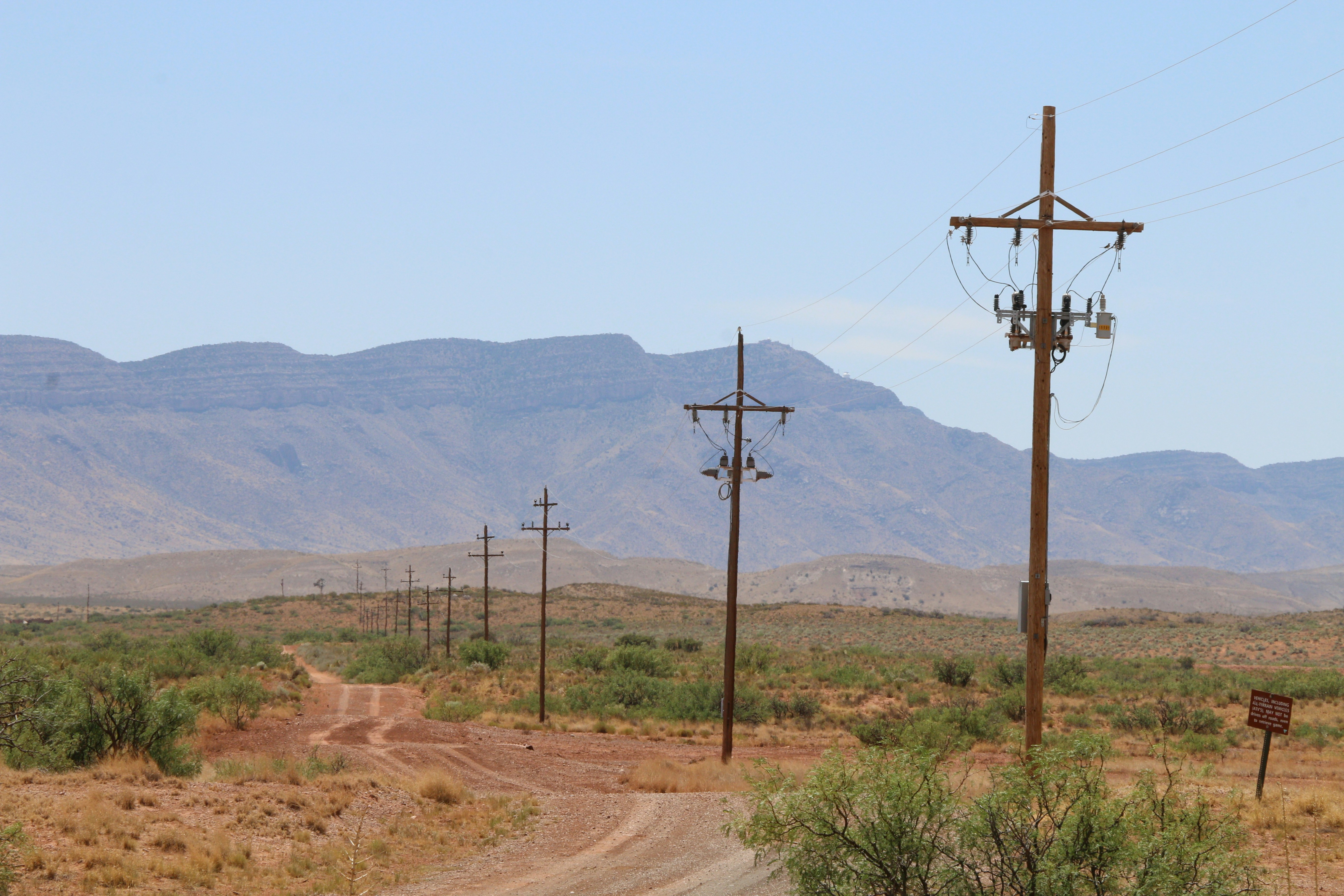
Utility pole in desert

ADMS Readiness, For Real: What the GIS→ADMS Integration Needs to Prove Before Go-Live

Why “ADMS integration” isn’t the same as readiness A lot of ADMS projects get “integrated” on paper long before they’re actually ready for operations. Connectivity is loading, the map draws, devices look roughly correct, and everyone is tempted to declare victory. Then the first serious outage or switching plan shows up and you discover that traces fall apart, phases are wrong, and operators don’t trust what they see on the screen. ...

May 12, 2026 · 6 min · 1174 words · Joe Marsh
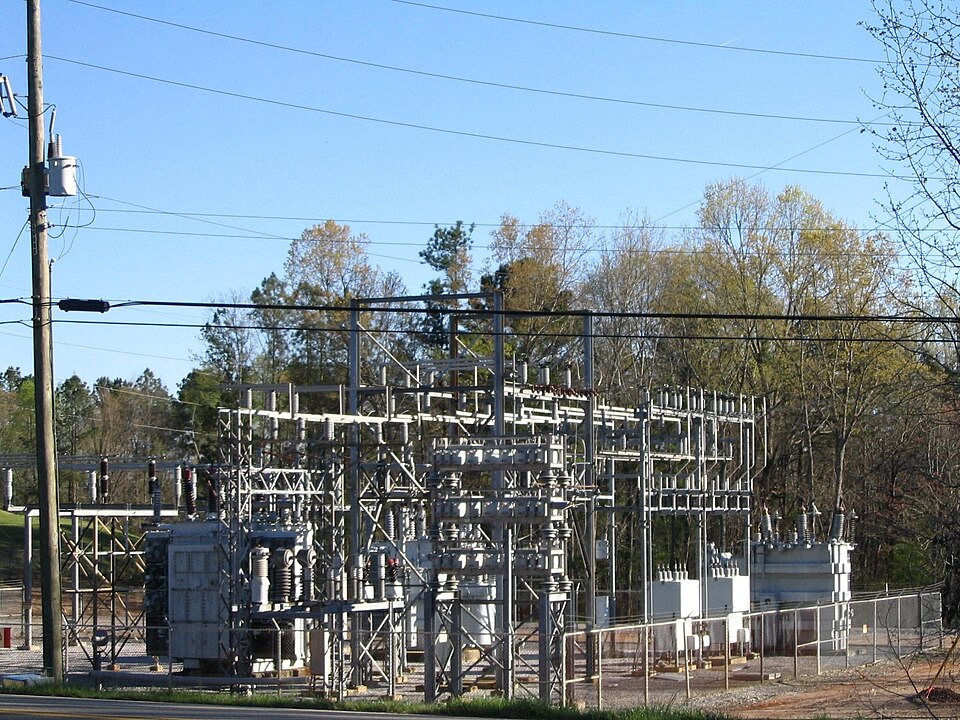
Outdoor power substation

From Tickets to Topology: Designing OMS Integrations Around the Network Model

OMS is only as good as its model At Hometown Electric and Light in Hometown, USA, one of the worst recent outages on paper didn’t look that bad. A single feeder issue on a calm day. The OMS confidently drew an outage polygon, identified a likely fault location, and generated work. Crews rolled, calls came in, and everyone expected a quick restore. What actually happened was a mess. The predicted fault location was off by a lateral, customers at the edge of the event never showed up in the OMS view, and dispatch ended up relying on a mix of calls, SCADA, and handwritten notes to figure out what was really out. Nothing was wrong with the OMS engine itself. The problem was that the network model it trusted did not match what was actually built and operated in the field. ...

May 5, 2026 · 7 min · 1392 words · Joe Marsh
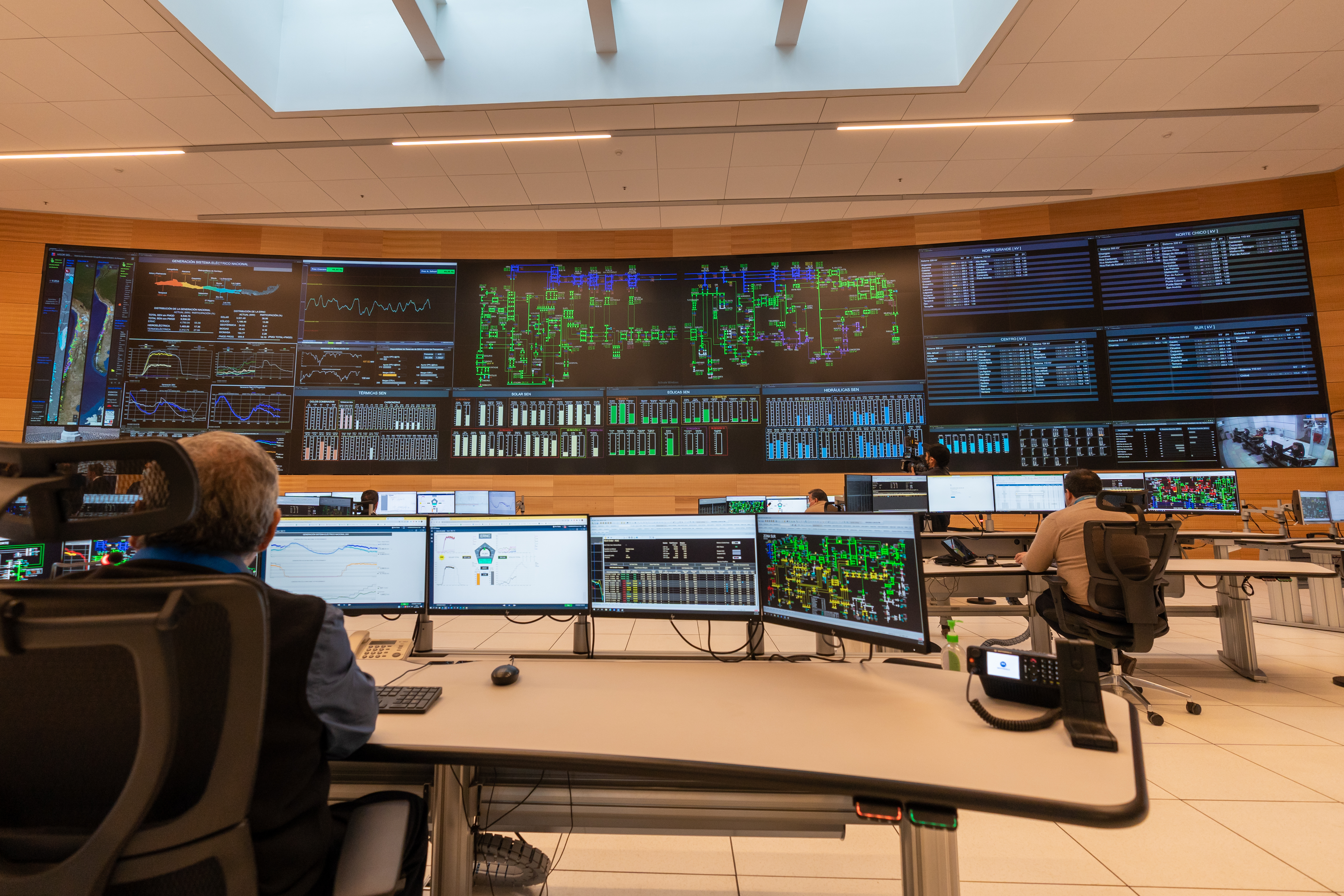
Utility grid control room with operators and large wall displays

GIS in the Center: The Architecture Utilities Actually Operate On

I’ve written a precursory blog as a refresher for all of the utility acronyms. If you’re an operator or GIS practitioner, you already live in these terms—use this as a sanity check. If you’re an executive, project sponsor, or adjacent leader, this should give you enough context to follow the architecture conversation without getting lost in alphabet soup. Click here to read Grid Operations Glossary: GIS, OMS, ADMS, DERMS, and Friends Utilities often talk about “integrated systems,” but in practice most integrations already revolve around one platform: GIS. Not as a mapping tool—but as the operational system of record that defines how the grid actually exists. ...

April 25, 2026 · 6 min · 1275 words · Joe Marsh
Electrical utility substation at sunset

Grid Operations Glossary: GIS, OMS, ADMS, DERMS, and Friends

Before we talk about GIS in the center of utility architecture, it helps to make sure we’re speaking the same language. Most ADMS and grid modernization conversations are full of acronyms—GIS, OMS, ADMS, SCADA, DERMS, MDMS, EAM—that mean one thing to the vendor slideware, and something slightly different to the people who actually operate the grid. This post is a working glossary for the terms I use across ADMS Readiness. It’s written for executives, program leaders, and adjacent teams who need to understand the concepts without living in them all day. ...

April 20, 2026 · 5 min · 1032 words · Joe Marsh