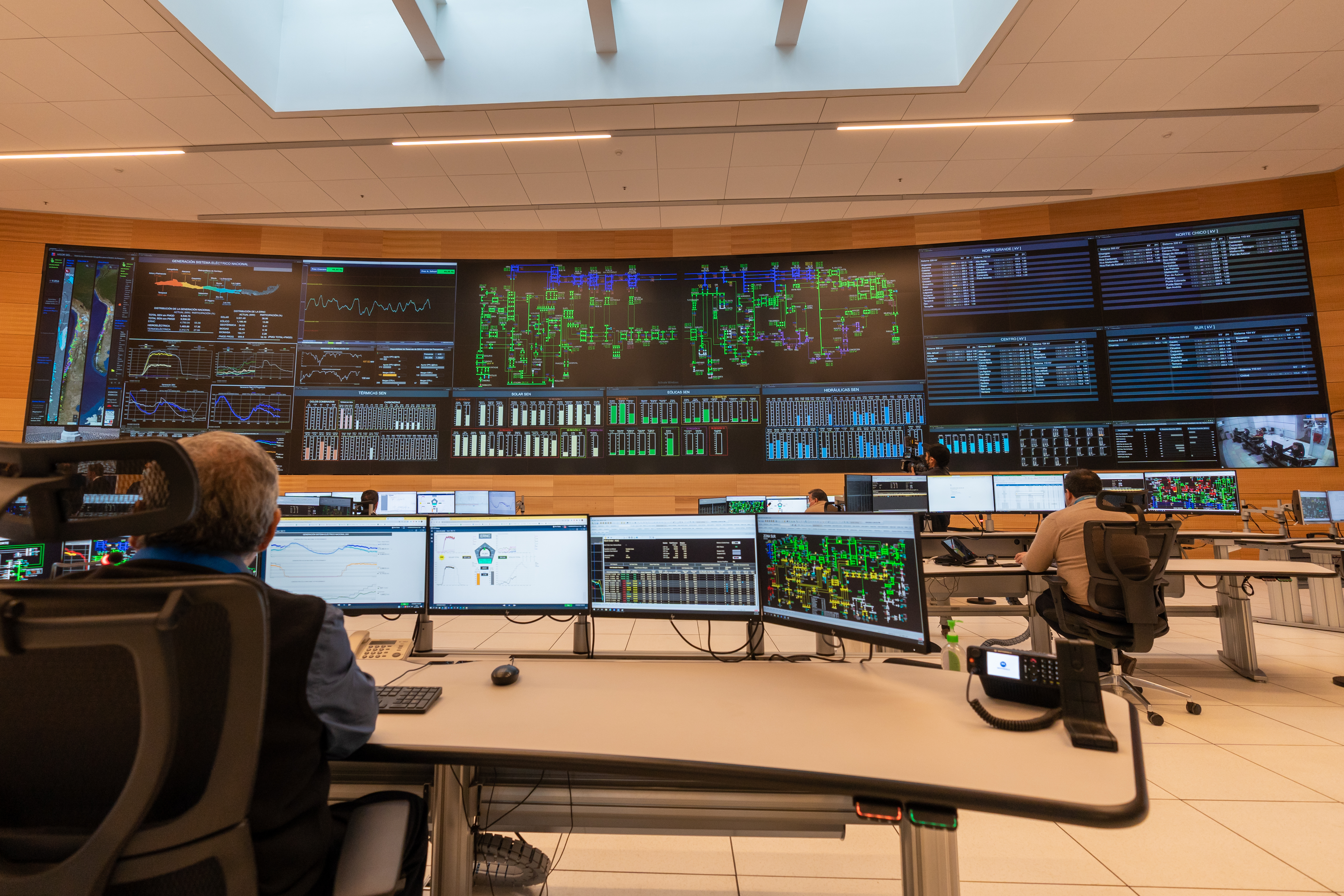
Utility grid control room with operators and large wall displays

GIS in the Center: The Architecture Utilities Actually Operate On

Utilities often talk about “integrated systems,” but in practice most integrations already revolve around one platform: GIS. Not as a mapping tool—but as the operational system of record that defines how the grid actually exists. The reality behind the diagram The diagram in this post is closer to how utilities actually operate than most vendor slideware: flowchart TB GIS["GIS<br/>(Authoritative Network Model)"]:::center subgraph OPS["Operations"] direction LR OMS["OMS"] ADMS["ADMS / DMS"] SCADA["SCADA"] FIELD["Field / Work Mgmt"] end subgraph PLAN["Planning & Analysis"] direction LR ENG["Engineering Studies"] DISTPLAN["Distribution Planning"] end subgraph ENT["Enterprise & Customer"] direction LR EAM["EAM / Asset Mgmt"] CIS["CIS"] AMI["AMI / MDMS"] DERMS["DERMS"] end OMS --> GIS ADMS --> GIS SCADA --> GIS FIELD --> GIS GIS --> ENG GIS --> DISTPLAN GIS --> EAM GIS --> CIS GIS --> AMI GIS --> DERMS OMS -. "Outage history / event analysis" .-> GIS ADMS -. "Switching / study feedback" .-> GIS classDef center fill:#01696f,stroke:#0c4e54,color:#ffffff,stroke-width:2px; GIS is in the center as the system of record for the network model. OMS, ADMS, SCADA, DERMS, field, planning, asset, CIS, and AMI/MDMS all radiate out from that center. A few systems have dashed feedback loops back into GIS, where it makes sense to feed data and results into spatial and engineering analysis. ...

April 25, 2026 · 6 min · 1204 words · Joe Marsh